


Key Takeaways
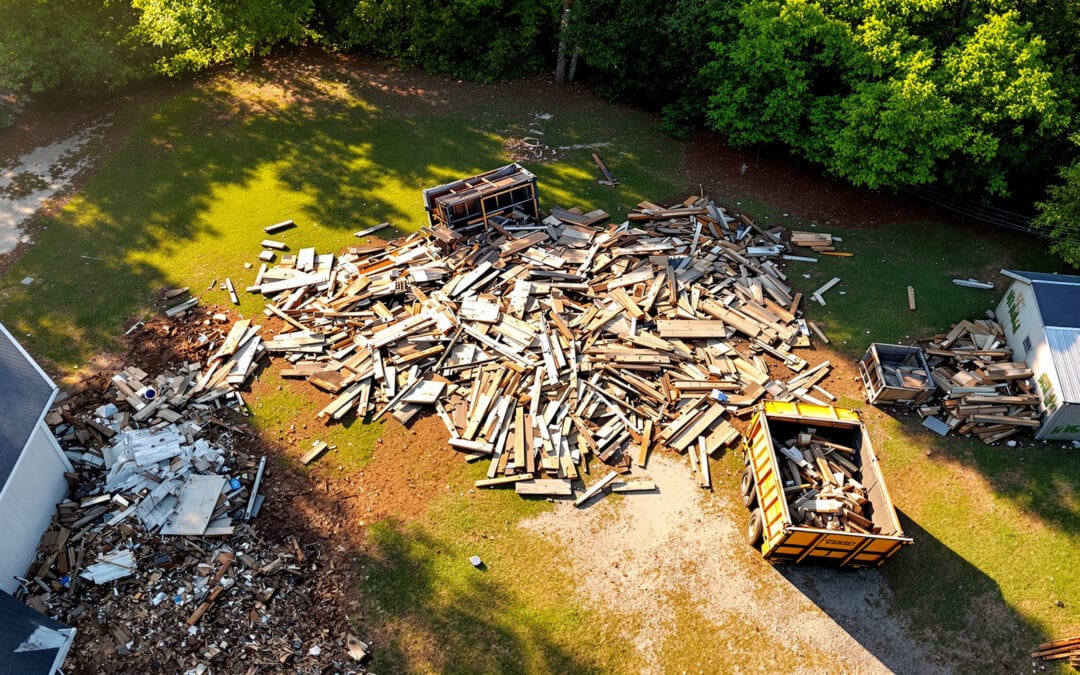
After a deck teardown in Old Fort, NC, homeowners face a large pile of old lumber, nails, and rotted wood that needs to go somewhere fast. Renting a roll-off dumpster is almost always the fastest, safest, and most cost-effective way to clear that pile compared to multiple truck hauls or waiting on bulk pickup schedules. This guide walks through size selection, accepted materials, placement tips, and what to expect from the rental process.
- A 10-yard or 15-yard roll-off dumpster handles most single-story residential deck demolition debris without overflow.
- Old lumber, dimensional wood, nails, screws, deck boards, and treated wood are generally accepted in a roll-off dumpster.
- Hauling multiple truck loads yourself typically costs more in time, fuel, and landfill fees than a single dumpster rental.
- Old Fort falls within the McDowell County service area, so local dumpster delivery is available without long lead times.
- Hazardous materials like asbestos siding or lead paint attached to deck boards must be separated before disposal.
- Placement of the dumpster on a driveway or gravel area protects your yard and speeds up the loading process.
- Booking a dumpster before demolition starts rather than after prevents debris from sitting in your yard for days.
What Deck Demolition Really Leaves Behind in Old Fort
Deck demolition debris removal in Old Fort, NC, typically involves several hundred to several thousand pounds of material depending on the size and age of the structure. A standard 12-foot by 16-foot deck produces roughly 1,500 to 2,500 pounds of debris including deck boards, joists, posts, hardware, and fasteners. Larger two-tier decks or decks with pergola attachments can push that number past 4,000 pounds easily.
Old Fort sits in the foothills of McDowell County, where older homes often have wood decks built in the 1980s and 1990s. Those decks were frequently built with pressure-treated lumber containing chromated copper arsenate, or CCA, which was phased out for residential use in 2004. While CCA-treated wood is not classified as hazardous waste in North Carolina for disposal purposes, it does require careful handling because of the chemicals preserved in the grain. For more information on pressure-treated lumber safety, visit the CDC and OSHA resources on occupational safety. Workers should wear gloves and avoid burning this type of wood under any circumstances.
Beyond the lumber itself, a deck teardown leaves behind concrete footings in some cases, metal hardware like joist hangers and post anchors, and sometimes sections of old railings made from composite or vinyl materials. Knowing what you have before you call a dumpster company lets you ask the right questions about what is accepted and what needs to go through a different disposal channel. The sections below walk through every practical step so you can move from a pile of debris to a clean yard without unnecessary trips, costs, or headaches.
Why Multiple Truck Hauls Cost More Than You Think
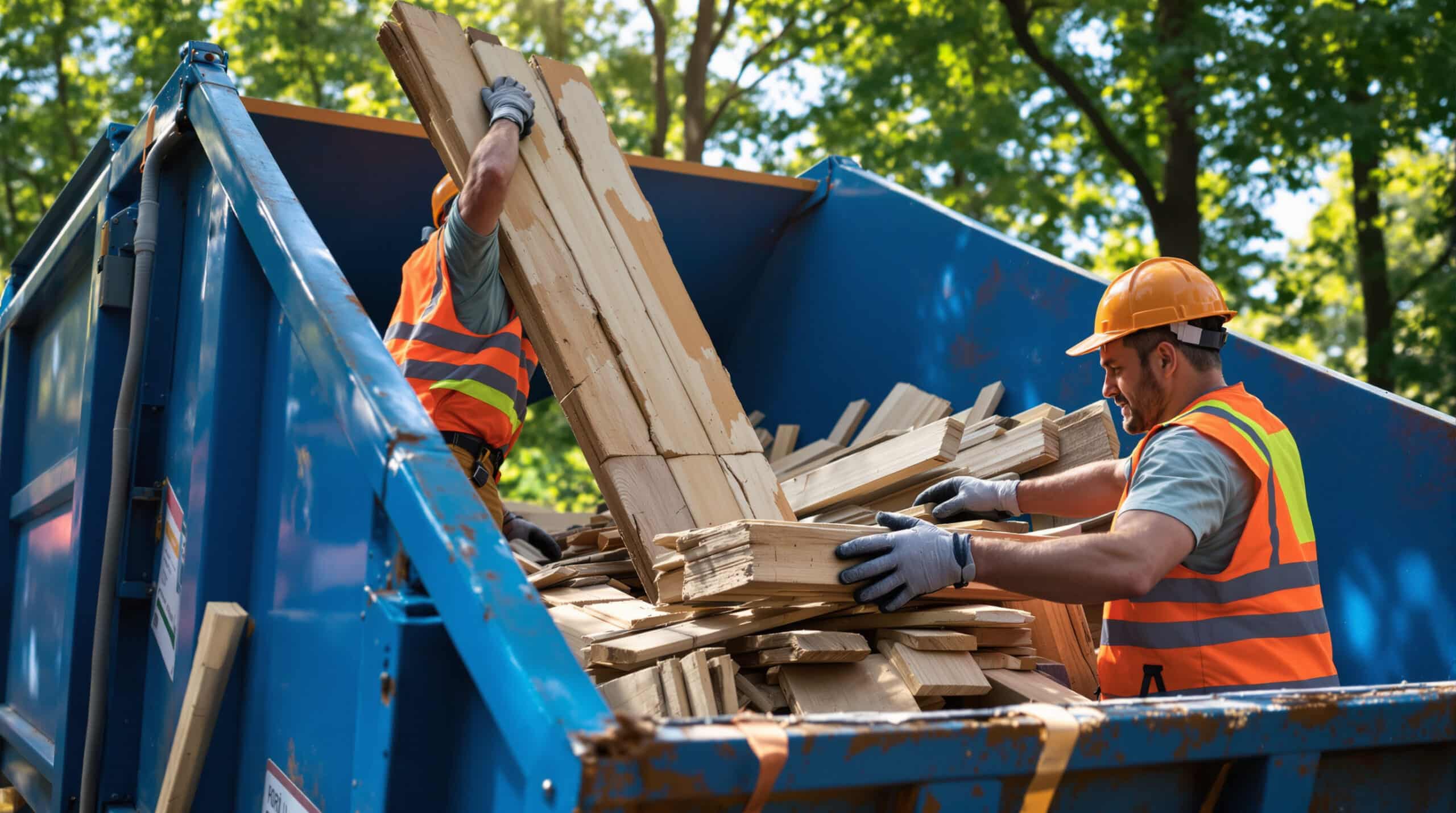
Renting a single roll-off dumpster almost always saves money over hauling deck debris yourself in a pickup truck or borrowing a trailer, once you account for all the real costs involved. Most homeowners underestimate both the volume and the weight of a demolished deck, which leads to far more trips than planned.
How many truck loads does a typical deck produce?
A full-size pickup truck bed holds roughly 1 to 2 cubic yards of loose debris. A 12×16 deck generates somewhere between 8 and 12 cubic yards of material once boards are broken down and stacked. That means 5 to 8 round trips to a transfer station or landfill, each one eating fuel, time, and a disposal fee. The McDowell County landfill charges a tipping fee based on weight, and mixed wood debris typically runs between $40 and $70 per load depending on tonnage. Add fuel costs for multiple trips, and a DIY haul can easily reach $300 to $500 before your time is counted.
What does a dumpster rental cost compared to hauling?
A 10-yard roll-off dumpster rental in the Old Fort area typically costs between $275 and $400 for a standard 7-day rental period, though pricing varies based on weight limits and distance. That flat rate includes delivery, pickup, and disposal fees, so there are no surprise charges per trip. All in Dumpster Rentals provides transparent pricing for the Old Fort and McDowell County area so homeowners know the total cost upfront before any debris is loaded.
What about bulk pickup from the county or municipality?
Old Fort does not have a curbside bulk pickup program that handles large construction debris like deck lumber on a predictable schedule. McDowell County does operate a convenience site system, but these sites have size and weight restrictions per visit, and some locations do not accept treated lumber. For guidance on waste disposal regulations, consult the EPA resources on construction and demolition waste. Waiting on a scheduled county service for a pile of several thousand pounds of wood is rarely a realistic option when you want your yard cleared quickly.
Choosing the Right Dumpster Size for Deck Debris
Selecting the correct dumpster size before delivery prevents two frustrating outcomes: renting something too small that fills up before the job is done, or paying for capacity you never use. Deck debris falls into a predictable volume range based on deck square footage, so sizing is straightforward with a little math.
What size dumpster fits a standard residential deck?
For decks between 100 and 200 square feet, a 10-yard dumpster is usually enough. It holds approximately 10 cubic yards of material, which is about the equivalent of 3 to 4 pickup truck loads. For decks between 200 and 400 square feet, a 15-yard container is the safer choice. If you are tearing down a two-level deck, adding a pergola, or also removing an old fence or shed at the same time, a 20-yard dumpster eliminates any risk of running short.
Does debris compaction affect how much fits in a dumpster?
Yes, and this is where many homeowners make a mistake. Deck boards thrown in at random angles leave a lot of air space between pieces. Breaking boards down to lengths of 4 feet or less and stacking them flat allows you to fit 20 to 30 percent more material in the same container. Removing nails or cutting around heavily nailed sections also makes stacking easier and protects the container walls. This simple step can mean the difference between a 10-yard and a 15-yard rental.
Are there weight limits that matter for wood debris?
Roll-off dumpsters have both volume limits and weight limits. Most 10-yard containers have weight limits between 1 and 2 tons, and 15-yard containers run between 2 and 3 tons. Dry deck lumber is relatively light per cubic yard, typically 400 to 600 pounds per yard, but wet or rotted wood can be significantly heavier. If your deck boards are waterlogged from a recent collapse or prolonged exposure, factor that into your size selection and discuss it with the rental company when booking.
What Wood and Nail Debris Is Accepted in a Roll-Off Dumpster
Most deck demolition materials load straight into a roll-off dumpster without issue. Understanding exactly what is accepted, and what requires a different disposal path, prevents rejected loads or surprise fees at the landfill.
Is pressure-treated lumber accepted in a dumpster?
In North Carolina, pressure-treated lumber including older CCA-treated wood from decks built before 2004 is accepted at most landfills as construction and demolition debris. It is not classified as hazardous household waste for disposal purposes. You can load pressure-treated boards, posts, and joists directly into your roll-off dumpster. The one hard rule is that you should never burn pressure-treated lumber in a fire pit or outdoor fire, as the combustion releases toxic compounds. Disposal in a lined landfill is the correct end point.
What about composite decking, vinyl railings, and metal hardware?
Composite decking materials, vinyl railing systems, and metal joist hangers and screws are all acceptable in a standard construction debris dumpster. The metal fasteners are a small enough volume that they do not need to be separated. If you have significant amounts of scrap metal like large steel posts or aluminum railing systems, some homeowners choose to set those aside for a scrap metal dealer since they have resale value, but that is optional rather than required.
What deck materials cannot go in the dumpster?
A few materials from older decks require separate handling. Asbestos was sometimes used in siding or roofing materials attached to deck structures built before 1980. If you suspect asbestos, stop demolition and have a licensed inspector test the material before proceeding. Lead paint on older railings or posts also requires careful handling. For detailed health information on lead exposure, visit the NIH resources. For a detailed breakdown of what cannot go in a roll-off dumpster, the guide on what you cannot put in a dumpster in the Asheville area covers these categories clearly.
Dumpster Placement Tips for Old Fort Properties
Where the dumpster sits on your property affects how quickly the job gets done, how much damage your yard takes, and whether local regulations create any complications. Most Old Fort residential properties offer several good placement options, but a little