
Key Takeaways
Knowing what you can and cannot throw in a dumpster rental in Asheville, NC saves you money, keeps your project on schedule, and keeps you in compliance with North Carolina disposal guidelines. Most construction debris, household junk, furniture, and yard waste is accepted. Hazardous materials, tires, paint, and certain electronics are not. Sorting your load before the dumpster arrives makes the whole process faster and avoids extra fees.
- General construction debris like wood, drywall, concrete, and roofing shingles is accepted in most roll-off dumpsters.
- Common household items including furniture, appliances, and general junk are typically allowed with some size and weight conditions.
- Hazardous materials such as paint, solvents, asbestos, and batteries are prohibited under NC environmental regulations.
- Tires, refrigerants, and certain electronics require separate disposal channels in North Carolina.
- Weight limits matter: most residential roll-offs have a 2-to-5-ton cap, and overages cost extra.
- Sorting before delivery and knowing your prohibited items list prevents project delays and unexpected charges.
- Calling ahead to confirm your specific load with the rental company is always worth the five minutes it takes.
What Goes in a Dumpster Rental in Asheville, NC
A dumpster rental in Asheville, NC accepts a wide range of materials including general household junk, construction debris, yard waste, and most non-hazardous solid waste. The specific materials allowed depend on the size of container you rent, the weight limits that apply, and North Carolina‘s environmental disposal rules that govern what landfills in Buncombe and surrounding counties will accept. Understanding these rules before you book saves you from surprise fees and keeps your project moving without delays.
Western North Carolina homeowners and contractors deal with a unique mix of project types: older mountain homes with decades of accumulated clutter, renovation jobs on craftsman-style properties, storm cleanup after the region’s frequent weather events, and large commercial buildouts in fast-growing areas around the region. Each of those jobs produces a different material mix, and not all of it lands in the same category. All in Dumpster Rentals serves Buncombe, Henderson, Haywood, and Madison counties and fields questions about acceptable materials every single day. The answer almost always comes down to three categories: freely accepted materials, conditionally accepted materials, and flat-out prohibited items. This guide walks through all three in plain language so you know exactly what to do before that container hits your driveway.
Construction Debris: The Bread and Butter of Roll-Off Dumpsters
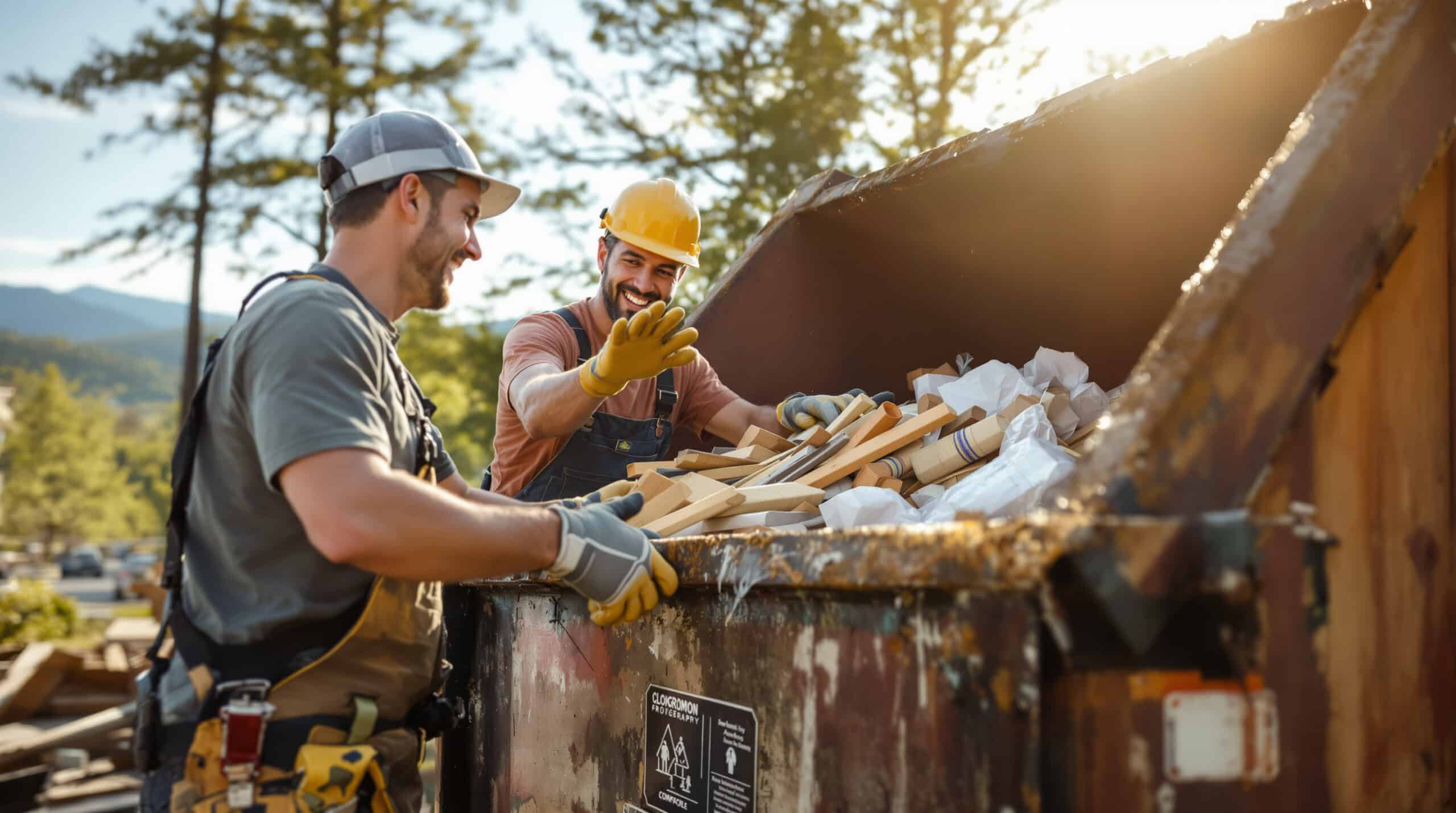
Construction and demolition debris makes up the largest share of material that goes into roll-off dumpsters, and the vast majority of it is accepted without restriction in standard containers rented across the Asheville area.
What types of construction debris are always accepted?
Standard construction materials that landfills in Western North Carolina accept without special handling include lumber and dimensional wood (both treated and untreated, though untreated is preferred), drywall and sheetrock, concrete and masonry, brick and block, ceramic tile, plywood and OSB sheathing, metal framing and ductwork, carpet and padding, insulation batts (fiberglass and mineral wool), and glass windows and doors. These materials come from the most common renovation and demolition jobs: kitchen remodels, bathroom gut-outs, roof replacements, addition teardowns, and full structural demos. A 10-yard dumpster handles a small bathroom or single-room job; a 20-yard or 30-yard container handles whole-home renovations or multi-room teardowns.
Does roofing material count as construction debris?
Asphalt shingles, underlayment, ridge caps, and metal flashing are all accepted in standard roll-off dumpsters. Roofing jobs in Asheville frequently strip two or even three layers of material off older homes, so a 20-yard container often fills quickly. One square of shingles weighs roughly 150 to 250 pounds depending on the product, and a full reroof on a 2,000-square-foot home can generate 3 to 5 tons of debris. Staying within your dumpster’s weight allowance matters here — confirm the tonnage cap with the rental company before the roofing crew starts tossing material. For a complete breakdown of container options for roofing jobs, the dumpster size guide for roof replacement shingle disposal covers tonnage limits and sizing recommendations in detail. Overweight charges typically run $50 to $75 per ton over the included limit.
Can concrete and heavy masonry go in any size dumpster?
Concrete, brick, stone, and asphalt pavement are accepted but should go into a smaller container because of weight. A 10-yard dumpster filled entirely with concrete can weigh 20 tons or more, which exceeds the weight rating of most containers and the trucks that haul them. Industry standard practice for heavy materials is to use a 10-yard box, fill it no more than halfway, and call for a swap when it’s ready. Some rental companies offer concrete-specific pricing — for details on how roll-off dumpsters for concrete removal in Asheville are typically priced and sized, it’s worth reviewing before you load. Always ask about a separate weight cap for heavy materials before loading.
Household Junk and Furniture: What Homeowners Throw Out Most
Household cleanouts are one of the most common reasons Asheville-area residents rent a dumpster, and most everyday home items are accepted in a standard roll-off container without any special conditions.
Can I throw old furniture and mattresses in a dumpster?
Yes. Sofas, chairs, dressers, bed frames, tables, and similar furniture are accepted in roll-off dumpsters. Mattresses are also generally accepted, though some facilities charge a small processing fee per mattress because they require special handling at the landfill. If you are cleaning out a full house, a 20-yard dumpster typically handles the contents of a three-to-four bedroom home including furniture. Bulky items like sectional sofas should be broken down if possible to save space and stay under any volume restrictions tied to the container’s fill line. For a full walkthrough on tackling a large-scale cleanout, the guide on garage cleanout strategies for reclaiming your space offers practical tips that apply to whole-home projects as well.
Are household appliances allowed in a roll-off dumpster?
Standard appliances like washers, dryers, dishwashers, ovens, and water heaters are accepted in most dumpsters. The one major exception is appliances that contain refrigerants. Refrigerators, freezers, air conditioners, and dehumidifiers contain chlorofluorocarbons or hydrofluorocarbons, which must be professionally recovered before the unit can be legally disposed of. The U.S. Environmental Protection Agency‘s Section 608 regulations require refrigerant recovery by certified technicians before disposal. Once the refrigerant has been removed and you have documentation, the empty unit can go into the dumpster. If you are unsure whether a unit still contains refrigerant, treat it as restricted until confirmed otherwise.
What about electronics and e-waste?
Old televisions, computers, monitors, printers, and similar electronics fall under North Carolina’s Electronic Device Recycling and Responsibility Act. The state prohibits landfilling of most covered electronic devices. This means these items cannot go into a roll-off dumpster destined for a standard landfill. Buncombe County has e-waste drop-off events and permanent collection options through county solid waste services. Items like small kitchen appliances, power tools, and non-display electronics are generally fine for the dumpster, but anything with a screen or a circuit board warrants a quick check before tossing it in. The resource on why proper electronic disposal matters explains the legal and environmental reasons behind these restrictions in more detail.
Yard Waste and Landscaping Debris: What Mountain Properties Generate
Properties across the Asheville area produce significant yard debris, especially after storm events or when owners are clearing wooded lots for construction or landscaping projects.
Can branches, leaves, and yard waste go in a dumpster?
Tree branches, brush, leaves, sod, dirt, and general landscaping waste are accepted in roll-off dumpsters, but the same weight caution applies as with concrete. Dirt and sod are extremely heavy. A cubic yard of wet soil weighs approximately 2,200 to 2,700 pounds. Mixing light brush and branches with heavy soil can push a 10-yard container into overweight territory. For guidance on handling hazardous materials safely, consult resources like OSHA and local disposal authorities. When in doubt about yard waste disposal, confirm weight limits and material acceptance with your rental company before loading begins.