
What You Can’t Put in a Dumpster: Complete Guide
Key Takeaways
Certain items are banned from dumpsters by federal, state, and local regulations, including hazardous materials, electronics, tires, and paint. Putting prohibited items in a rental dumpster can result in extra fees, rejected loads, and environmental fines. Knowing what stays out before you load up saves time, money, and hassle for any project in the Asheville area.
- Hazardous materials like chemicals, asbestos, and medical waste cannot go in any standard dumpster.
- Electronics, tires, and paint each have dedicated disposal programs in North Carolina.
- Buncombe County has specific rules that local dumpster rental companies must follow.
- Prohibited item violations can result in load rejection and additional charges.
- A local company familiar with Western NC regulations can help you find the right disposal path for every item.
What You Cannot Put in a Dumpster and Why It Matters
When you’re cleaning out your garage, finishing a renovation, or clearing out a property in Asheville, it’s easy to assume everything can go in the dumpster. That’s not quite how it works. Certain items are legally prohibited from standard roll-off dumpsters because they pose environmental or safety risks that regular landfills aren’t equipped to handle. Federal regulations under the Resource Conservation and Recovery Act, state rules from the North Carolina Department of Environmental Quality, and local Buncombe County guidelines all shape what’s allowed. Tossing a prohibited item in a rental dumpster can lead to fines, load rejections at the landfill, and extra fees passed back to you. The good news is that most prohibited items have straightforward disposal alternatives, and a local, family-owned company like All in Dumpster Rentals can help you figure out exactly where each item needs to go so your project stays on track.
Hazardous Materials: The No-Go List for Any Dumpster
Hazardous materials make up the largest category of prohibited dumpster items, and the rules around them aren’t flexible. Items in this group include household chemicals like bleach, ammonia, and pesticides; asbestos-containing materials; motor oil and automotive fluids; pool chemicals; propane tanks; and anything labeled flammable, corrosive, or toxic. These materials can contaminate soil and groundwater if they end up in a general landfill, creating long-term environmental damage that affects the whole community.
According to EPA indoor air quality guidance, improper disposal of chemical products can release volatile organic compounds that affect both outdoor environments and indoor spaces in surrounding buildings. In Buncombe County, residents can drop off household hazardous waste at designated collection events hosted through the county’s solid waste program. If you’re not sure whether something on your job site counts as hazardous, we’ll help you figure out a safe and legal path forward before the dumpster ever arrives.
Asbestos deserves a special mention here. Older homes in Asheville, Weaverville, and Waynesville often contain asbestos in insulation, floor tiles, or roofing materials. Asbestos removal and disposal requires licensed contractors and specific containment procedures. It cannot go in a standard roll-off dumpster under any circumstances.
Electronics and E-Waste Rules in Western NC
Electronics are another category that surprises a lot of people. TVs, computers, monitors, printers, and similar devices contain lead, mercury, and other heavy metals that make them illegal to throw in standard dumpsters across North Carolina. The state’s E-Cycling program, run through the NC Department of Environmental Quality, requires that covered electronic devices be recycled through certified facilities rather than sent to a landfill.
According to EPA guidance on waste management, improper disposal of electronics contributes to heavy metal leaching that can persist in soil and water for decades. North Carolina’s E-Cycling program accepts items at no cost at many drop-off locations across the state, including sites that serve Buncombe and Henderson counties. Retailers like Best Buy also accept certain electronics for recycling.
If you’re doing a full cleanout in Hendersonville, Candler, or Flat Rock and you’ve got a pile of old electronics mixed in with general junk, just set them aside. We can point you toward the right drop-off option so you stay compliant without holding up your project. For more details on what the disposal process looks like in this region, our page on electronics disposal and dumpster rentals in Asheville breaks it down further.
Tires, Paint, and Other Commonly Misunderstood Items
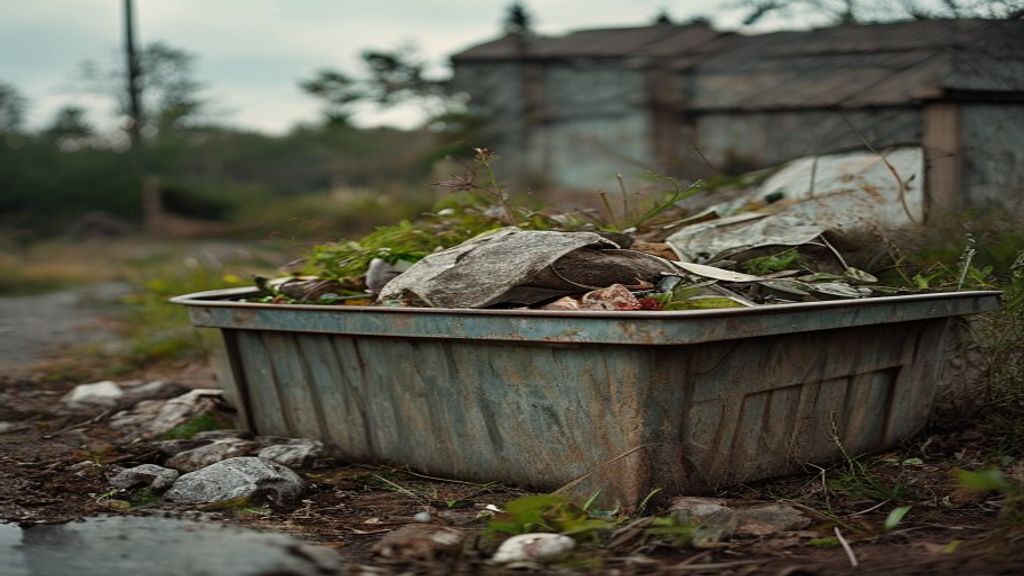
Tires are banned from dumpsters in North Carolina. They don’t compact well, they create fire risks in landfills, and they’re considered a regulated waste under state law. According to the EPA’s solid waste program, scrap tires generate significant environmental hazards when improperly disposed of, including serving as breeding grounds for mosquitoes and releasing toxic gases when burned. Most tire retailers in the Asheville area will accept used tires for a small recycling fee, and some auto parts stores run take-back programs.
Paint is another item that generates a lot of confusion. Latex paint that’s completely dried out is generally accepted in dumpsters as solid waste. Wet latex paint and all oil-based paints, however, are considered hazardous and cannot go in a standard dumpster. PaintCare drop-off sites across North Carolina accept leftover paint for recycling or safe disposal. There are several locations in the Asheville area that participate in this program.
A few other items that catch people off guard: refrigerators and air conditioners with refrigerant still inside, fire extinguishers, batteries (especially lithium and lead-acid types), and anything containing mercury, like old thermostats or fluorescent bulbs. These all need specialized disposal. Our page on paint disposal and dumpster rentals in NC covers the paint question in much more detail.
Buncombe County Rules and What They Mean for Your Project
Local regulations add another layer to what can and can’t go in a dumpster. Buncombe County operates under North Carolina’s solid waste rules, but the county also has its own guidelines about what landfill facilities will and won’t accept. Construction and demolition debris is generally acceptable in roll-off dumpsters, but mixed loads that contain prohibited materials can be turned away at the transfer station, costing you time and extra fees to sort and re-haul.
According to FEMA’s disaster waste management guidance, communities that have strong local waste sorting protocols recover faster from both everyday projects and disaster-related cleanup because they avoid landfill bottlenecks. That same logic applies to routine construction cleanouts in Asheville, Mars Hill, and Old Fort. When materials are sorted correctly upfront, the whole process moves faster and costs less.
As a family-owned company that works in Buncombe, Henderson, Haywood, and Madison counties every day, we know what the local facilities require. We will happily work with you to plan your load so you’re not facing surprise charges when the truck arrives to pick up. Our page on hazardous materials dumpster rules in Buncombe County goes deeper on county-specific requirements.
“Improper disposal of hazardous household waste poses real risks to community water supplies and soil quality,” notes the EPA’s waste resource center. The agency recommends that homeowners and contractors identify regulated materials before any cleanup project begins rather than sorting them out after the dumpster is already full.
What Actually Can Go in a Dumpster
After covering what’s off the list, it helps to be clear about what’s perfectly fine to toss in a standard roll-off. General household junk, furniture, mattresses, clothing, and non-hazardous debris are all good to go. Construction and demolition materials like drywall, wood, concrete, brick, and roofing shingles are accepted in most dumpster rentals, though some companies separate out heavier materials like concrete due to weight limits.
Yard waste including branches, leaves, and grass clippings can go in many dumpsters, though it’s worth confirming with your rental company since some facilities handle green waste separately. Appliances that don’t contain refrigerant, like stoves, dishwashers, and washing machines, are generally acceptable. According to the IICRC’s standards for waste handling in restoration projects, separating materials by type before disposal speeds up processing and reduces overall project costs.
If your project involves a home renovation or cleanout in Fletcher, Enka, Woodfin, or anywhere else in our service area, we’ll walk you through exactly what your specific dumpster can hold based on the size you rent and the type of project you’re running. For projects involving both permitted and prohibited materials, see our full breakdown on prohibited items in dumpster rentals for Asheville, NC.
IICRC’s guidelines for water and fire damage restoration also note that project managers who inventory their waste streams before choosing a container size consistently avoid overage fees, a principle that applies just as well to home renovation and cleanout projects.
How to Handle Prohibited Items Without Slowing Down Your Project
Finding out mid-project that you’ve got a pile of prohibited items doesn’t have to derail your timeline. The key is having a plan before the dumpster shows up. Start by walking through your project site and identifying anything that might fall into a regulated category: old paint cans, batteries, electronic devices, tires, or containers labeled with hazard warnings. Set those aside in a separate area.
From there, it’s a matter of matching each item to the right disposal channel. Buncombe County’s household hazardous waste collection program handles many residential items for free or at low cost. The NC E-Cycling program covers electronics. Tire retailers and auto shops handle scrap tires. PaintCare handles paint. Many of these are free or very low cost, and none of them require special permits for typical homeowners or small contractors.
According to OSHA’s waste handling guidelines, job sites that pre-sort hazardous materials before general waste disposal reduce worker exposure risks and avoid regulatory citations. That’s a real concern for contractors running crews on renovation sites in the Asheville area.
For specific scenarios, see our coverage of: Prohibited Items for Dumpster Rental in Asheville, NC, Can You Put Tires in a Dumpster in Western NC?, Electronics Disposal Dumpster Asheville: What You Need to Know, Paint Disposal Dumpster Rental NC: What You Need to Know, Hazardous Materials Dumpster Rules in Buncombe County
We know that sorting through all of this can feel like a lot when you’re already busy running a project. That’s exactly why we’re here. As a local, family-owned company, we’ve helped homeowners in Lake Lure, Etowah, Gerton, and across Western NC figure out their disposal plans. We’re not just dropping off a box. We’re here to make sure your whole project goes smoothly.