
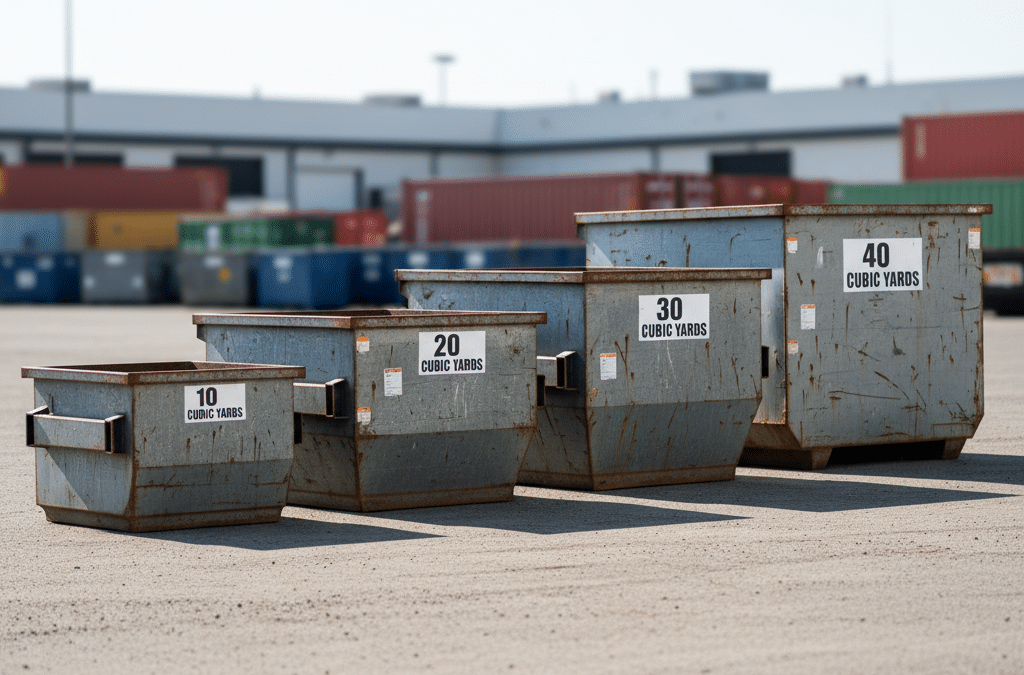
Understanding Dumpster Sizes: More Than Just Numbers
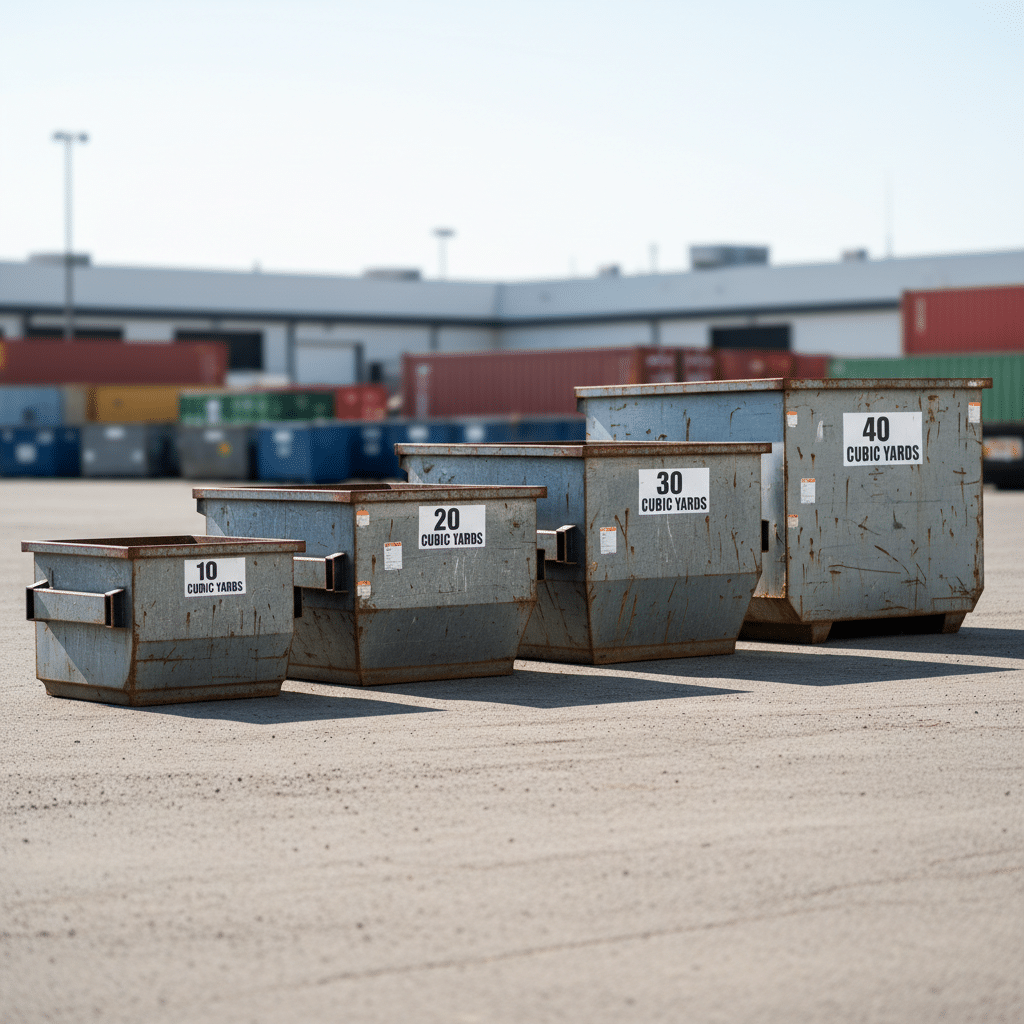
Planning a home renovation, decluttering project, or major landscaping overhaul here in Western North Carolina? The size of the dumpster you rent will directly impact your project timeline, your budget, and whether you’re left with a half-empty container or debris piling up in your driveway after the rental period ends.
Most dumpster rental companies offer four standard sizes, measured in cubic yards. That measurement refers to volume, not weight—and it’s not always intuitive. A 10-yard dumpster doesn’t mean 10 yards long. It means the container holds 10 cubic yards of material, which is roughly equivalent to about three pickup truck loads.
Getting the size wrong costs you either in wasted capacity or in ordering a second container mid-project. Neither is ideal when you’re trying to stay on schedule and within budget.
The Four Standard Dumpster Sizes Explained
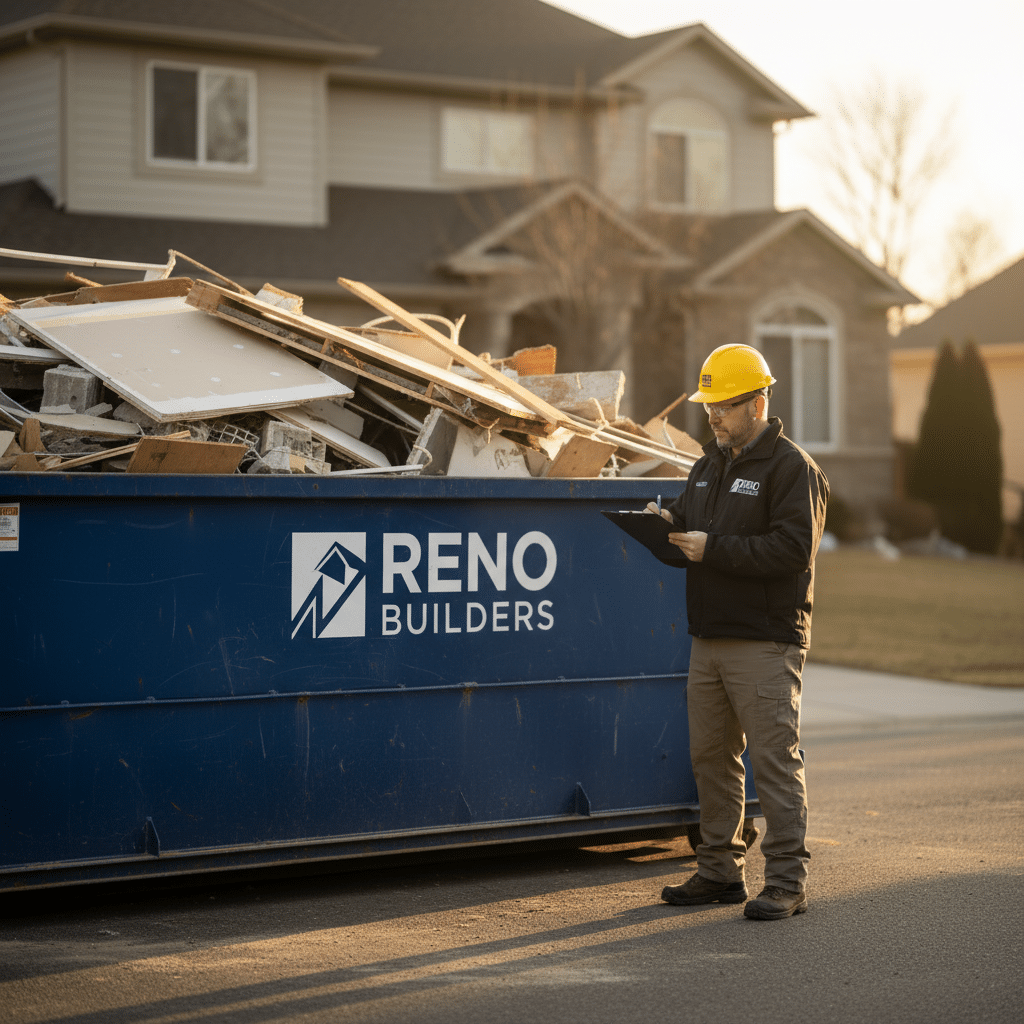
Here’s a breakdown of the four most common dumpster sizes available to Asheville homeowners and contractors throughout the region, along with their typical dimensions and capacities.
10-Yard Dumpsters: Small Projects and Cleanouts
Typical dimensions: 14 feet long × 7.5 feet wide × 3.5 feet high
Capacity: Holds approximately 3-4 pickup truck loads
This is the smallest standard size, and it works well for minor home cleanouts, small bathroom remodels, or garage decluttering projects. Think of it as the right choice when you’re clearing out an attic, removing old carpeting from a couple of rooms, or handling yard debris from seasonal pruning.
The 10-yard size is often overlooked, but it’s particularly useful in residential areas with limited driveway space or when you need to position the container close to a tight work area. In older Asheville neighborhoods with narrow streets and mature trees, this compact size can be a practical necessity.
Common uses:
- Single-room cleanouts or renovations
- Small deck or shed removal
- Yard waste from seasonal cleanup
- Estate cleanouts (partial home)
- Garage or basement decluttering
20-Yard Dumpsters: The Most Popular Choice
Typical dimensions: 22 feet long × 7.5 feet wide × 4.5 feet high
Capacity: Holds approximately 6-8 pickup truck loads
This is the workhorse of residential dumpster rentals. It’s large enough to handle substantial projects but still fits comfortably in most driveways. At All-In Dumpster Rentals, we’ve found that the 20-yard container handles about 60-70% of residential projects across Western North Carolina.
The 20-yard size strikes the right balance for medium-scale renovations where you’re generating consistent debris but don’t need the capacity of a full construction container. It’s tall enough to handle bulky items like furniture or old appliances, yet low enough that you can toss materials over the side without needing a ladder.
Common uses:
- Whole-room additions or renovations
- Roof replacement for small to medium homes (1,500-2,500 sq ft)
- Multi-room carpet or flooring removal
- Large deck or fence removal
- Significant estate or foreclosure cleanouts
- Moderate landscaping projects
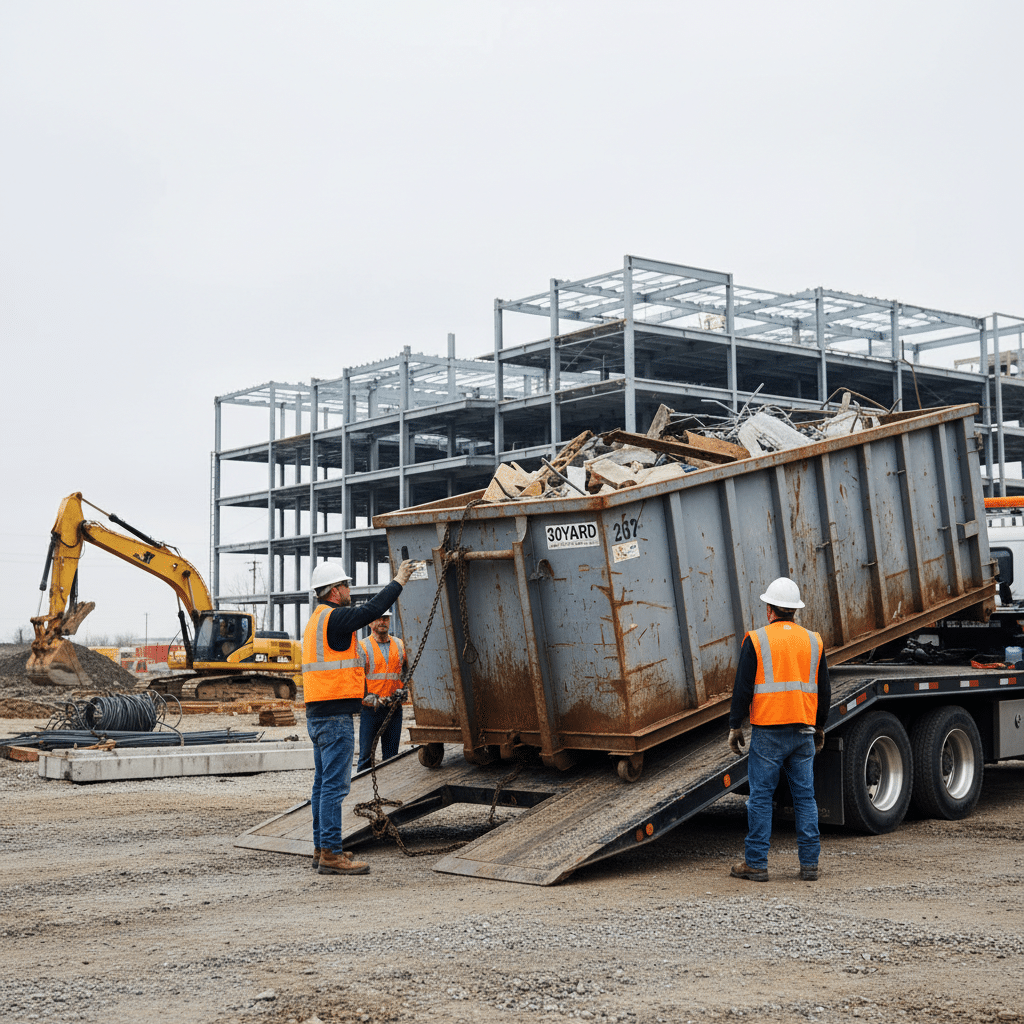
30-Yard Dumpsters: Large Renovations and Construction
Typical dimensions: 22 feet long × 7.5 feet wide × 6 feet high
Capacity: Holds approximately 9-12 pickup truck loads
When you’re undertaking a major home addition, a substantial remodel involving multiple rooms, or you’re a contractor managing a residential new build, the 30-yard container provides the capacity you need without requiring multiple haul-aways.
The higher walls make this size ideal for lighter, bulkier materials that take up significant space but don’t necessarily weigh as much—insulation, drywall, lumber scraps, and packaging materials from new fixtures and appliances.
Common uses: Learn more about detailed 10-yard dumpster specifications. Learn more about comprehensive roll-off dumpster guide.
- Large home additions or multi-room remodels
- New home construction debris
- Roof replacement for larger homes (2,500-4,000 sq ft)
- Commercial cleanouts
- Large-scale demolition projects
- Complete home decluttering or estate sales
40-Yard Dumpsters: Maximum Capacity for Major Jobs
Typical dimensions: 22 feet long × 7.5 feet wide × 8 feet high
Capacity: Holds approximately 12-16 pickup truck loads
This is the largest standard residential container, and it’s typically reserved for major commercial projects, full-home demolitions, or large-scale construction jobs. The 40-yard size is less common for typical homeowner projects but becomes necessary when you’re dealing with extensive debris volumes.
Keep in mind that while this container offers maximum volume, you’ll still be subject to weight limits—usually around 3-4 tons depending on your rental agreement and material type. Here in the mountains, where many properties involve challenging access and steep driveways, make sure your site can accommodate both the container size and the truck needed to deliver it.
Common uses:
- Full home or building demolition
- Major commercial construction projects
- Large-scale cleanouts involving multiple structures
- Extensive land clearing projects
- Window or siding replacement for large commercial buildings
How to Calculate the Right Size for Your Project
The last thing you want is an unexpected charge for a second dumpster delivery or overage fees. Yet that’s exactly what happens to many folks who underestimate their project scope or misunderstand how different materials affect capacity.
Consider Material Type and Weight
Volume and weight are two different considerations. A 20-yard dumpster might physically hold your debris, but if you’re disposing of heavy materials like concrete, brick, dirt, or roofing shingles, you could exceed the weight limit well before filling the container.
Most rental agreements include a weight allowance—typically 2-3 tons for residential containers. Overage charges usually run $50-$100 per additional ton, which adds up quickly when you’re dealing with dense materials.
Heavy materials requiring special consideration:
- Concrete, asphalt, or brick
- Dirt, sand, or gravel
- Roofing shingles (heavier than they look)
- Hardwood flooring
- Porcelain fixtures
For these materials, you might actually need a smaller container to stay within weight limits. A 10-yard dumpster or 15-yard dumpster filled with concrete will likely hit weight capacity, while a 30-yard container with the same material could result in significant overage charges or even be impossible to haul. Learn more about how to choose the right dumpster size. Learn more about size selection strategies. Learn more about understanding dumpster rental costs.
Account for Project Scope Creep
Renovation projects rarely stay within their original boundaries. Once you start tearing into walls or pulling up flooring, you often discover additional work that needs addressing—old framing that should be replaced, subflooring that’s water-damaged, or insulation that’s past its useful life.
When estimating dumpster size, build in a 20-30% buffer for unexpected debris. If you think you’re borderline between a 20-yard and 30-yard container, the larger size usually proves worth the modest price difference—typically $50-$100 more for the next size up, compared to $200-$300 for ordering a second container mid-project.
Think About Access and Placement
The right size isn’t just about capacity—it’s about what physically fits on your property and can be safely accessed by the delivery truck. Here in Western North Carolina, we regularly encounter steep driveways, narrow mountain roads, low-hanging tree branches, and limited turnaround space.
A 30-yard or 40-yard container requires a larger truck and more maneuvering room. If your property has challenging access, you might need to opt for a smaller container with multiple exchanges rather than trying to place a larger unit that creates access issues or property damage.
Measure your available space before ordering. You’ll need clearance not just for the container itself, but for the truck to position and retrieve it—typically requiring 60-75 feet of straight-line access and 14-16 feet of vertical clearance for overhead obstacles.
Regional Considerations for Asheville and Western NC
Our mountain community presents unique challenges that affect dumpster sizing decisions. These factors don’t always apply in flatter, more suburban areas, but they’re crucial considerations for projects throughout the Blue Ridge Mountains.
Mountain Weather and Project Timing
Winter weather can halt construction projects for days at a time, extending your rental period and potentially requiring a larger container if you can’t complete the project as quickly as planned. Summer thunderstorms can add weight to your debris if materials get saturated, potentially pushing you over weight limits.
If you’re renting during shoulder seasons (late fall or early spring), consider sizing up to account for potential weather delays. The cost difference is usually less than the daily rental fees for an extended period.
Older Homes and Hidden Debris
Western North Carolina has a significant inventory of historic homes and older construction. These properties often contain unexpected materials once you start renovation work—multiple layers of old roofing, plaster walls behind drywall, and solid wood framing that generates more debris than modern lumber. Learn more about comprehensive size selection methodology. Learn more about what materials are permitted in 20-yard containers.
If your home was built before 1970, add at least one size category to your initial estimate. A project that might need a 20-yard container in a newer home could easily require a 30-yard for an older property.
Environmental Regulations and Recycling
Local transfer stations and landfills throughout the region have specific requirements for different material types. Some items require separate disposal, which affects how you fill your dumpster and what size you ultimately need.
Appliances, electronics, tires, batteries, and hazardous materials typically can’t go in a standard construction dumpster. If your project involves these items, you’ll need to arrange separate disposal, which might allow you to choose a smaller dumpster for your remaining debris.
Pricing Differences Between Dumpster Sizes
Rental costs vary based on size, rental period, material type, and your location within the service area. Here’s a general pricing framework for our region, though always confirm current rates with your specific provider.
Typical price ranges for Western NC (2026):
- 10-yard: $275-$375 for a 7-day rental
- 20-yard: $350-$475 for a 7-day rental
- 30-yard: $425-$575 for a 7-day rental
- 40-yard: $500-$700 for a 7-day rental
These ranges include delivery, pickup, disposal fees up to the weight limit (typically 2-3 tons), and a standard rental period. Extended rentals usually cost $10-$15 per additional day.
The price difference between consecutive sizes is often smaller than homeowners expect—usually $75-$125. When you factor in the risk of needing a second container (which requires another delivery fee, rental period, and disposal fee), sizing up is often the more economical choice when you’re uncertain.
Common Sizing Mistakes to Avoid
After helping countless Asheville homeowners and contractors with their projects, certain patterns emerge in how people misjudge container size needs.
Underestimating Roofing Projects
Roofing material is heavier and bulkier than it appears. A full roof tear-off on a 2,000-square-foot home generates 3-5 tons of debris—sometimes more if there are multiple existing layers. That’s enough to fill a 20-yard container to capacity, both by volume and weight.
For roofing projects, calculate based on your roof’s square footage and number of existing layers. Most homes need at least a 20-yard container, while larger homes or those with multiple shingle layers often require a 30-yard or even two separate containers.
Forgetting About Access After Placement
A dumpster that fits perfectly when empty becomes an obstacle once filled. Make sure you maintain access to your work area even after the container is in place. This is particularly important for longer projects where you’ll need ongoing access to your home or work shed.
Position matters more than many people realize. Work with your rental company to determine the optimal placement that balances proximity to your work area, truck access for retrieval, and maintaining sufficient space for your daily activities during the rental period.
Mixing Incompatible Materials
Not all debris can go in the same container. Mixing yard waste with construction debris, or combining recyclables with general trash, can result in additional fees or rejected loads at the disposal facility.
If your project involves multiple material types, discuss this upfront with your dumpster provider. You might need separate containers for different materials, which affects your overall sizing strategy.
Making Your Final Sizing Decision
Start by honestly assessing your project scope. Walk through the work area and make a detailed list of everything that needs removal—not just the obvious items, but also the accumulated materials from demolition, packaging from new materials, and the inevitable miscellaneous debris that every project generates.
Compare your debris list to the capacity descriptions above. If you’re between sizes, factor in your timeline (longer projects generate more debris than expected), your material types (heavy materials need smaller containers to stay within weight limits), and your property access (limited space might require multiple smaller containers instead of one large unit).
When in doubt, consult with your local rental provider. Reputable companies have seen hundreds of similar projects and can provide guidance based on your specific situation. At All-In Dumpster Rentals, we’d rather help you choose the right size upfront than deal with the hassle and expense of mid-project container changes.
The right dumpster size keeps your project moving forward, prevents costly delays, and ensures you’re not paying for capacity you don’t need—or scrambling to handle overflow debris. Taking the time to size correctly on the front end pays off throughout your entire project timeline.