
How Big of a Dumpster Do I Need for My Project
Key Takeaways
Choosing the right dumpster size saves you money and keeps your project running smoothly. Too small and you’ll pay for extra hauls. Too large and you’re wasting rental costs on empty space. Knowing your project type, debris volume, and and available placement area helps you pick the right fit the first time.
- Dumpster sizes range from 10-yard to 40-yard containers, each suited for specific project types.
- Small cleanouts and bathroom remodels typically need a 10 or 15-yard dumpster.
- Full home renovations, roofing jobs, and large construction projects usually require a 20 to 30-yard container.
- When in doubt, sizing up is almost always cheaper than scheduling a second haul.
- A local dumpster rental company can walk you through the right size based on your specific project details.
Why Dumpster Size Matters More Than You Think
When you’re planning a home cleanout, a kitchen remodel, or a big landscaping project, figuring out how big of a dumpster you need is one of the first decisions you’ll face. Get it right and your project runs smoothly. Get it wrong and you’re either overpaying for empty container space or scrambling to schedule a second pickup because your dumpster filled up faster than expected.
It’s a more common problem than people expect. Project debris adds up quickly, especially once you start pulling out materials. Roofing shingles, old drywall, broken concrete, and furniture take up more space than they look like they will. A little planning upfront goes a long way toward keeping your costs and timeline on track.
A Quick Look at Standard Dumpster Sizes
Most dumpster rental companies offer containers in four common sizes: 10-yard, 15-yard, 20-yard, and 30-yard. Some also carry 40-yard options for large commercial jobs. Each size is designed with a specific range of projects in mind, so understanding what fits where will help you make a confident choice.
10-Yard Dumpsters
A 10-yard dumpster holds roughly 10 cubic yards of debris, which is about the equivalent of three pickup truck loads. This size works well for small bathroom remodels, garage cleanouts, single-room renovation projects, and yard waste removal. If you’re clearing out a basement or attic with mostly light materials, a 10-yarder is often enough.
15-Yard Dumpsters
Stepping up to a 15-yard container gives you a bit more breathing room for medium-sized projects. Think full garage cleanouts, small deck removals, or a modest kitchen remodel. If you’re on the fence between a 10 and a 20, a 15-yard option can be a smart middle ground.
20-Yard Dumpsters
A 20-yard dumpster is one of the most popular sizes for residential projects. It handles larger remodels, full-floor flooring replacements, multi-room cleanouts, and roofing jobs on smaller homes. This size is also a great fit for estate cleanouts where you’re clearing everything out of a house at once.
30-Yard and 40-Yard Dumpsters
These larger containers are built for major construction projects, new home builds, commercial renovations, and large-scale demolitions. A 30-yard dumpster holds the equivalent of about nine pickup truck loads and gives contractors the space they need for big debris volumes without constant swaps.
Matching Your Project to the Right Size
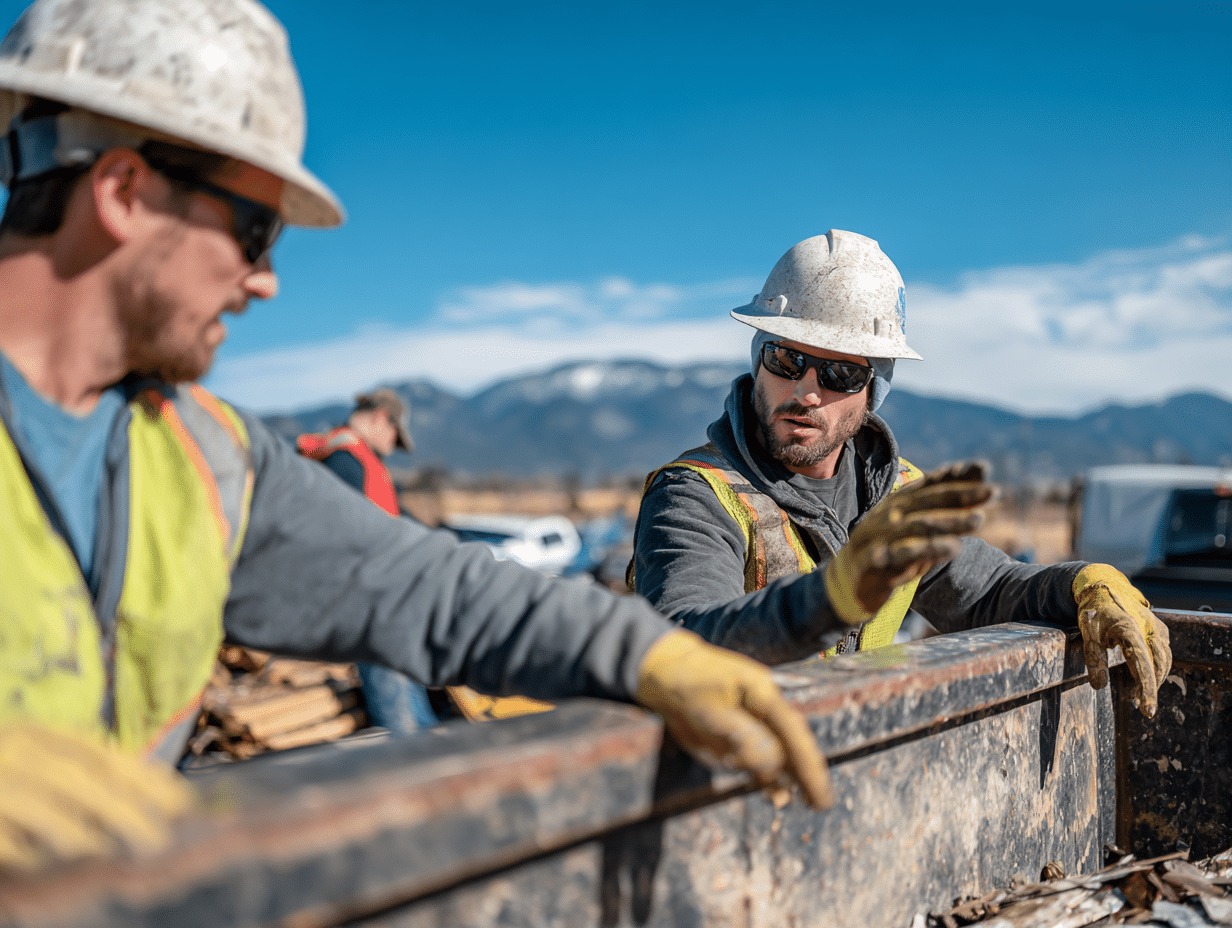
The most reliable way to figure out how big of a dumpster you need is to think through what you’re actually throwing away. Different materials and project types generate very different volumes of debris, and some materials are heavier than they look. For guidance on environmental considerations in debris disposal, consult authoritative resources on waste management.
“Weight matters as much as volume,” says Marcus Ellery, a veteran waste management consultant with over 15 years in the industry. “A dumpster full of roofing shingles weighs significantly more than one full of wood framing, even if they look the same on the outside. Weight limits exist for good reason.”
Here’s a straightforward way to think through common project types:
- Bathroom remodel: 10 to 15-yard dumpster
- Kitchen remodel: 15 to 20-yard dumpster — learn more about choosing the right dumpster size for a kitchen renovation
- Full home cleanout or estate cleanout: 20 to 30-yard dumpster
- Roofing replacement (standard home): 10 to 20-yard dumpster depending on layers — see our dumpster size guide for roofing projects in Asheville
- New construction or large commercial job: 30 to 40-yard dumpster
- Concrete or heavy material removal: Smaller container with higher weight rating
One thing worth keeping in mind for heavy materials like concrete and dirt is that a smaller container at a higher weight limit is usually smarter than a large one. Weight limits apply regardless of how full the container looks, and overage charges can add up fast. The Occupational Safety and Health Administration (OSHA) provides guidelines on proper handling of heavy materials in construction settings.
Placement Space and Practical Considerations
Before you commit to a size, think about where the dumpster will sit. Bigger containers need more driveway or yard space, and you’ll want to make sure there’s enough clearance for the delivery truck to drop the container safely.
“I always ask customers to measure their driveway before we confirm a size,” says Jennifer Holcomb, residential project coordinator and licensed contractor based in Western North Carolina. “It sounds simple, but I’ve seen people order a 30-yard container and realize too late it won’t clear their gate or their neighbor’s fence.”
If you’re placing a container in Asheville or the surrounding mountain communities, uneven driveways and narrow roads can affect delivery options. Hook-lift dumpsters are specifically built to handle Western North Carolina’s mountain terrain, and a local company will know the area and can help you plan the placement in advance. Permit requirements for placing a dumpster on a public street also vary by municipality, so that’s worth checking early. For general information on local waste management regulations, visit your EPA regional office.
The general footprint of common dumpster sizes looks roughly like this:
- 10-yard: About 12 feet long, 8 feet wide, 4 feet tall
- 20-yard: About 22 feet long, 8 feet wide, 4.5 feet tall
- 30-yard: About 22 feet long, 8 feet wide, 6 feet tall
Always give yourself a few extra feet on all sides for the delivery truck to maneuver.
When to Size Up
If you’ve done your mental inventory and you’re still not sure, the general advice from experienced contractors and waste management professionals is simple: go one size larger. The cost difference between a 10-yard and a 15-yard rental is usually modest. The cost of a second haul because you ran out of space is almost always more.
“The number one regret I hear from customers is that they went too small,” notes David Saenz, a general contractor who works regularly across Buncombe and Henderson counties. “They try to save a little money upfront and end up spending more in the long run because they need a second container.”
Sizing up also gives you room to work more efficiently. When a container is packed tight, loading it safely becomes harder. A little extra space means a safer, faster job site. For more strategies on keeping your rental costs down, check out these cost-saving tips for residential dumpster rentals in Asheville. The National Institutes of Health and occupational safety organizations provide resources on proper handling techniques for construction debris.
Frequently Asked Questions
How big of a dumpster do I need for a roofing project?
For most standard residential roofs, a 10 to 15-yard dumpster handles the debris well. If your home is larger or you’re removing multiple layers of shingles, step up to a 20-yard container. Shingles are surprisingly heavy, so weight limits matter more than volume for roofing jobs. Our full roofing debris removal guide for Asheville homeowners and contractors covers this in more detail.
Can I put any type of debris in the dumpster?
Most household renovation debris is fine, including wood, drywall, furniture, and yard waste. However, hazardous materials like paint, chemicals, batteries, and tires are typically not allowed in standard roll-off dumpsters. Always confirm with your rental company before tossing in anything you’re unsure about. For information on hazardous waste disposal, consult the EPA’s hazardous waste guidance.
What happens if my dumpster fills up before my project is done?
Your rental company can schedule a swap-out, where they haul away the full container and bring a fresh one. This is completely doable but adds cost. To avoid it, spend a few extra minutes planning your debris volume upfront.