
Dumpster Loading Tips for Asheville Homeowners
TL;DR: Load your dumpster by spreading heavy items flat across the bottom, filling gaps with smaller debris, and breaking down bulky pieces before tossing them in. This keeps weight balanced, prevents overage charges, and helps you fit more into a single rental in the Asheville area.
When you are working on home projects in Asheville, whether that is a basement cleanout, a garden overhaul, or a small renovation, the way you load your dumpster has a direct effect on your final bill. Most homeowners do not realize that a little strategy up front can save a lot of money and hassle before the truck comes to pick up the bin.
We have helped countless residents across Buncombe, Henderson, Haywood, and Madison counties manage their waste management needs. The hilly terrain, older housing stock, and Western North Carolina weather all create loading challenges you would not face in a flat, dry region. These tips are written with those real local conditions in mind.
How Should I Load a Dumpster to Maximize Space and Stay Under Weight Limits?
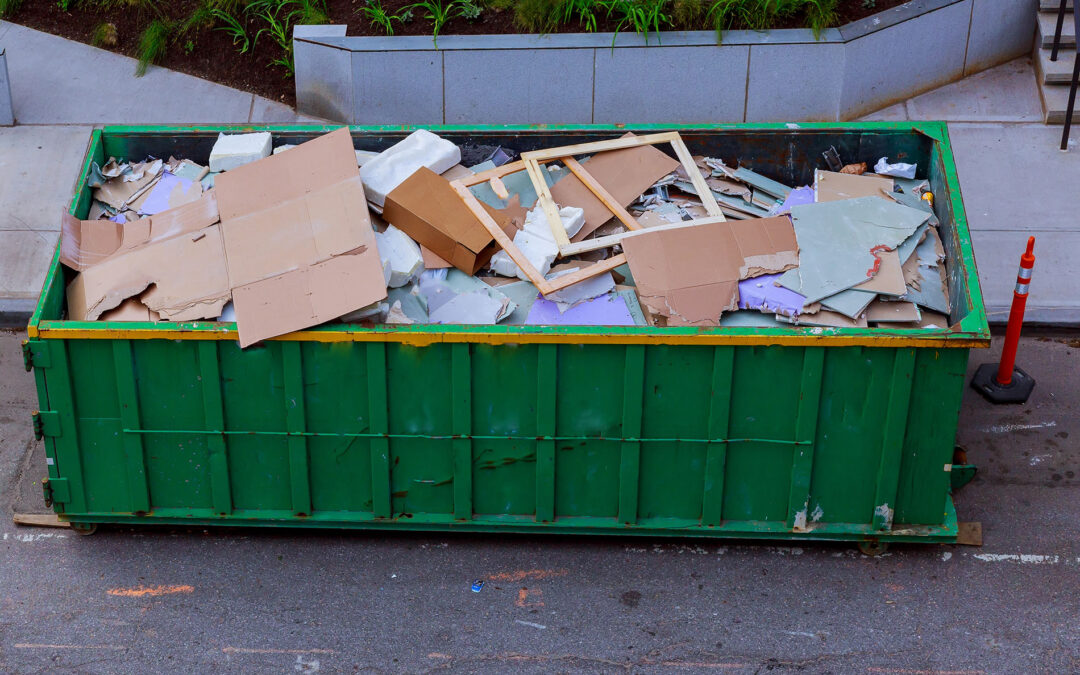
Load a dumpster by placing heavy, dense items flat across the bottom first, then layer medium-weight materials on top, fill every gap with smaller debris, and break down bulky pieces before they go in. This method keeps the load balanced, reduces air pockets, and helps you save both time and money on your rental.
Think of the process the same way you would pack a moving truck. A random pile leaves wasted space and creates balance problems. A layered, intentional approach means you get full value from every cubic yard you are paying for. The steps below walk you through exactly how to do that.
Why Does Weight Distribution Matter So Much in the Mountains?
Uneven weight distribution in a dumpster makes transport dangerous on winding mountain roads and can trigger additional fees from your rental provider. Many Asheville homeowners load all their heavy concrete or brick onto one side without thinking about it, and that imbalance becomes a real problem before the truck even pulls out of the driveway.
Our hilly terrain means your dumpster may already be sitting on a slight slope. Add a heavy pile on one end and you are compounding the problem. Spreading heavier materials evenly across the floor of the container creates a stable base. That stable base also lets you stack more on top without the load shifting, which means you can fit more total material without exceeding weight limits.
Should I Plan Before I Start Loading?
Yes, sorting your waste into categories before the first item goes in makes loading faster and more efficient. Take a moment to assess what you are throwing out and group it into three buckets: heavy construction debris, medium-weight items like furniture or appliances, and light material like cardboard and yard waste.
This step matters even more for older Asheville homes in neighborhoods like Montford or West Asheville. Those houses often surprise you with dense old-growth timber, original brick, and stone that weighs far more than modern building materials. Knowing what you have before you start means you load in the right order instead of having to dig things out and rearrange halfway through.
Treat the loading process like a real-life puzzle. Your goal is a level, compact load with no dangerous protrusions and no wasted air space. A quick mental walk-through before you begin makes that goal much easier to reach.
What Goes In First When Loading a Dumpster?
Your heaviest materials should always go in first and spread evenly across the bottom of the dumpster. For typical Asheville renovation projects, that means concrete, brick, stone, soil, and roofing materials form your base layer before anything else goes in.
Break large pieces of concrete or masonry down into smaller chunks before loading them. A single oversized slab can throw off your entire weight distribution and leave awkward gaps that are impossible to fill efficiently. Smaller broken pieces pack together tightly and use space much better.
After the heavy base layer is set, move on to medium-weight items like wood framing, small appliances, and furniture. These create a buffer zone between the dense bottom layer and the lighter debris that goes on top. That buffer also protects lighter materials from getting crushed in a way that causes them to take up more room than they should.
How Do I Use the Awkward Gaps Inside a Dumpster?
Fill the gaps between larger items with smaller debris rather than leaving empty pockets of air inside the bin. Nooks between furniture pieces or construction materials are perfect spots to tuck branches, plant pots, garden debris, or small household items.
This is especially useful for Asheville homeowners who are clearing yard waste alongside household junk at the same time. Those odd-shaped items that would normally just sit on top and waste vertical space can drop into the gaps and ride along for free, so to speak.
Always keep prohibited items out of the dumpster regardless of how tempting it is to fill a gap with something you need to get rid of. Electronics, chemicals, and certain appliances have specific disposal requirements in our area. Putting them in the bin can result in fines and causes harm to the mountain ecosystem we all share.
Does Breaking Down Items Really Save That Much Space?
Yes, breaking down and flattening items before loading them can dramatically increase the usable space in your dumpster. A cardboard box that is broken flat takes up a fraction of the room an intact box does, and that principle applies just as much to furniture, cabinetry, and scrap lumber.
For those working on historic Asheville homes where original woodwork and built-ins need to come out, careful dismantling instead of whole-piece removal can let you fit the debris from an entire room into space that might otherwise hold just a few bulky items.
Cut longer boards so they lie flat against the dumpster walls. Disassemble chairs, shelving units, and bed frames before they go in. These few extra minutes of prep work pay off quickly when you realize you do not need a second dumpster. That translates directly into lower costs, which you can read more about in our guide to reducing dumpster costs.
What Is the Wall-Building Technique for Dumpsters?
The wall-building technique means standing flat items like doors, plywood sheets, or wood paneling upright against the inside walls of the dumpster to create a vertical frame you can fill from the inside. Professional waste handlers use this approach regularly to squeeze more into a single bin.
For Asheville residents renovating older homes, this technique works especially well with original materials like shiplap, beadboard, or wide wood paneling. Those long flat pieces lean perfectly against the dumpster walls and form a sturdy perimeter that keeps smaller loose debris contained and packed tightly in the center.
The result is essentially a box within a box. The inner space fills with loose items, and the outer walls hold everything together. This also reduces shifting during transport on our winding mountain roads, which protects both the load and the truck carrying it.
What Is the Air Tax and How Do I Avoid It?
The air tax refers to the wasted money you spend when large empty pockets of air take up cubic yards you are already paying for in your rental. You pay for the full volume of the dumpster whether you fill it efficiently or not, so hollow spaces inside the bin are money thrown away.
This is a real issue for seasonal residents and those preparing mountain cabins for rental season around Asheville. When clearing a property quickly, it is easy to toss things in randomly and end up with a bin that looks full but is half air.
Walk around the dumpster periodically as you load it. Look for hollow spaces between items and fill them with smaller debris before moving on. If you spot a section that is being used poorly, take a few minutes to rearrange it. That reorganization time almost always saves you the cost and hassle of ordering a second dumpster. Check out our cost-saving tips for residential dumpster rentals for more ways to stretch your budget.
How Do I Stay Within My Dumpster Weight Limit?
Stay within your weight limit by spreading heavy materials evenly, avoiding moisture-absorbing debris sitting open in the rain, and knowing the weight of common materials before you load them. Exceeding the weight limit is one of the most frequent reasons Asheville homeowners end up with surprise charges on their final bill.
Asheville gets significant rainfall, and materials like wood, drywall, and cardboard soak up moisture fast. A load that was within the limit on a dry Tuesday can be hundreds of pounds heavier after a typical afternoon thunderstorm. Cover your dumpster with a tarp when you are not actively loading it. Most rental companies do not provide covers automatically, so plan ahead and pick one up before your rental period starts.
| Material | Weight Risk | Tip |
|---|---|---|
| Concrete and brick | Very high | Break into small pieces, spread across the bottom |
| Drywall | High when wet | Cover dumpster during rain to prevent soaking |
| Roofing shingles | High | Layer flat, monitor total load weight carefully |
| Wood framing | Medium, higher when wet | Use tarp cover during rain, break down long pieces |
| Cardboard | Low dry, medium wet | Always break flat, keep dry to avoid added weight |
| Yard waste | Low to medium | Use to fill gaps, keep loose and airy on top |
For a full breakdown of how limits work and what triggers overage fees, visit our guide on understanding weight limits and avoiding overage charges in Asheville.
Are There Local Rules I Should Know About in Asheville?
Yes, Asheville and Buncombe County have specific disposal requirements for electronics, appliances, and hazardous waste that mean some items should never go into a standard dumpster rental. The Buncombe County Landfill offers dedicated programs for these materials, and using them is both better for the environment and frees up valuable dumpster space for everything else.
Asheville’s commitment to sustainable waste practices means that some materials common in other markets get recycled or specially processed here instead of landfilled. Check before you load if you are unsure about a specific item.
Seasonal weather also matters. Summer thunderstorms can fill an uncovered dumpster with rainwater faster than you expect. Winter ice can freeze debris to the floor of the bin, making it difficult to empty on pickup day. Working around these realities is part of smart dumpster use in our mountain community. Also keep in mind that if you are working on a home renovation project, choosing the right size bin from the start saves you from needing a second trip entirely.
How Can Talking to My Rental Provider Help Me Save Money?
Talking to your local rental provider before delivery gives you project-specific advice that generic guides cannot offer, and it often prevents costly mistakes around placement, sizing, and local disposal rules. A local company that knows Asheville neighborhoods can tell you things about your specific street or driveway situation that a national call center simply would not know.
Before your dumpster is delivered, describe your project in detail. Ask about the best size for your specific job, ideal placement on your property given your terrain, and any local considerations for the materials you are throwing out. That conversation takes five minutes and can save you real money. You can also use our Asheville dumpster rental guide as a starting point to come into that conversation prepared.
Quick Recap
- Spread heavy items flat and evenly across the bottom of the dumpster before anything else goes in.
- Sort your waste into heavy, medium, and light categories before you start loading.
- Break down and flatten furniture, boxes, and lumber to dramatically increase usable space.
- Use the wall-building technique with flat panels to create a sturdy inner framework.
- Fill every gap with smaller debris to eliminate the air tax.
- Cover your dumpster during rain to prevent moisture from pushing you over the weight limit.
- Keep prohibited items like electronics and hazardous materials out of the bin entirely.
- Talk to your local provider before delivery for advice specific to your neighborhood and project.
- Use the rental timeline guide to schedule pickup before weather or project delays change your plan.
Frequently Asked Questions
What is the most efficient way to load a dumpster?
The most efficient way is to start with heavy, flat items spread across the bottom, layer medium-weight materials next, fill all gaps with small debris, and put light items on top. Breaking everything down before loading and covering the bin during rain rounds out the approach.
Can I put concrete and dirt in the same dumpster as household junk?
You can mix these in most standard rentals, but concrete, brick, and soil are very heavy. Load them first across the bottom in small broken pieces and monitor your total weight carefully to avoid overage charges.
How do I know if I am getting close to my weight limit?
Your rental agreement will list the included weight allowance. As a general rule, if you are loading a lot of concrete, soil, roofing shingles, or wet wood, you are approaching your limit faster than you might expect. When in doubt, call your provider and describe what you have loaded so far.
Does rain actually add enough weight to cause overage charges?
Yes. Materials like drywall, cardboard, and untreated wood absorb moisture quickly. In Asheville’s climate, an afternoon shower can add significant weight to an open dumpster. A simple tarp prevents this problem entirely.
What items can I not put in a dumpster in the Asheville area?
Common prohibited items include electronics, paint, batteries, propane tanks, tires, and hazardous chemicals. The Buncombe County Landfill has specific drop-off programs for these materials. Always check with your rental provider if you are unsure about a specific item before it goes in the bin.
Is it worth renting a bigger dumpster or making two trips with a smaller one?
In most cases, renting the right size upfront is cheaper than paying for a second pickup or swap-out. Use the dumpster size selection guide to match the bin to your project before you commit.
How far ahead should I schedule my dumpster delivery in Asheville?
Scheduling a few days to a week ahead is smart for most projects. During busy seasons, availability can tighten quickly across Buncombe, Henderson, Haywood, and Madison counties. The rental timeline planning guide walks you through exactly how to time your delivery and pickup.
Ready to Make the Most of Your Rental?
Loading your dumpster the right way is one of the easiest ways to keep your project on budget and on schedule. Whether you are in Asheville, Hendersonville, Waynesville, Weaverville, Fletcher, Candler, Mars Hill, or anywhere else we serve across Western North Carolina, we are here to help you get it right from the start. Give us a call today at 828-776-5517 and we will match you with the right size bin and give you honest advice for your specific project and property.