

Asheville Retail Space Cleanup: Complete Preparation Guide
Key Takeaways
Retail space cleanup and preparation in Asheville requires careful planning, proper waste disposal, and compliance with local regulations to transform your commercial property efficiently.
- Asheville’s commercial waste regulations require permits for certain types of debris and have specific disposal requirements
- A systematic approach saves time and money during retail space renovation and cleanup projects
- Professional dumpster rental ensures compliance with city codes and proper waste management
- Local contractors and business owners benefit from understanding Buncombe County’s commercial disposal guidelines
- Proper preparation prevents delays and keeps your retail transformation project on schedule
Understanding Asheville Commercial Cleanup Requirements
Transforming a retail space in Asheville involves more than just clearing out old inventory and fixtures. Whether you’re preparing a storefront on Patton Avenue or renovating a shopping center in Fletcher, understanding local commercial waste regulations keeps your project moving smoothly. The City of Asheville has specific requirements for commercial debris disposal, and Buncombe County adds additional guidelines that affect how you handle construction waste, old fixtures, and renovation debris.
According to the City of Asheville Public Works Department, commercial properties must obtain permits for certain types of demolition and renovation work. These permits often include waste disposal requirements that specify where debris can go and how it must be sorted. Working with a local dumpster rental company for commercial waste solutions that understands these regulations helps ensure your cleanup meets all requirements without unexpected delays or fines.
Planning Your Retail Space Cleanup Strategy
Successful retail space cleanup starts with a thorough assessment of what needs to go and what can stay. Walk through your space with a notepad and categorize items into groups: recyclables, donations, hazardous materials, and general debris. This systematic approach helps you estimate the right dumpster size and avoid mixing incompatible waste types that could create disposal problems later.
Many retail spaces contain a surprising amount of debris once you start removing old fixtures, shelving, and flooring. A former restaurant space might have commercial kitchen equipment, while a clothing store could have extensive fitting room installations. “When planning commercial cleanouts, I always recommend clients add 20-30% to their initial volume estimates,” says Mike Chen, a commercial contractor with 15 years of experience in Western North Carolina. “Retail spaces have hidden waste in ceiling spaces, behind walls, and in storage areas that becomes apparent once demolition begins.”
Consider the timeline for your project when planning cleanup phases. Some materials need special handling or disposal methods that take additional time. Electronics from old point-of-sale systems require EPA-compliant electronics recycling, while fluorescent fixtures may contain hazardous materials that need professional removal. Understanding what can and cannot go in a dumpster in Asheville extends to commercial settings as well, and the same principles apply when clearing out a retail space.
Choosing the Right Dumpster Size for Commercial Projects
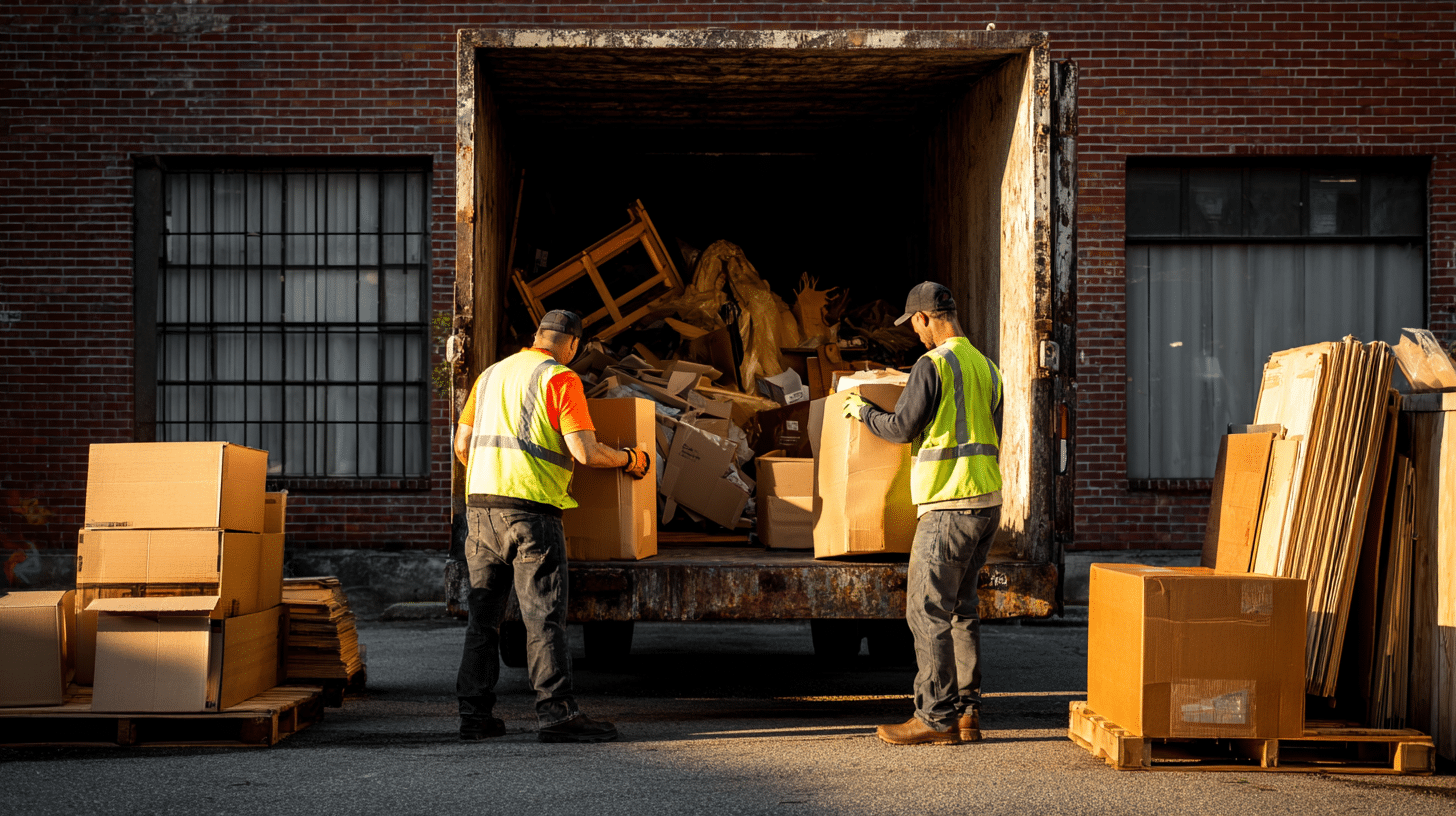
Retail space cleanups typically generate more debris than most people expect. A standard retail storefront cleanup often requires a 17 yard dumpster rental or larger, depending on the scope of renovation work involved. Smaller boutique spaces might manage with a 12-yard vs 15-yard dumpster, while larger retail spaces or those undergoing significant renovation could need a 30-yard dumpster.
The type of debris affects your dumpster choice as much as volume does. Heavy materials like tile, concrete, or metal fixtures require weight considerations that might mean choosing a smaller container even if you have space for a larger one. Learning how to choose the right dumpster size in Asheville ensures you get the perfect fit for mixed debris from general retail cleanup that typically works well in mid-size containers balancing capacity with weight limits and potential overage charges.
Location logistics matter significantly for commercial properties in Asheville. Downtown locations often have parking restrictions that affect dumpster placement, while shopping centers might have specific areas designated for waste containers. All In Dumpster Rentals can help figure out the best placement options that comply with local parking ordinances and don’t interfere with neighboring businesses or customer access. For properties in outlying areas, hook-lift dumpsters built for Western North Carolina’s terrain offer added flexibility when navigating tight commercial lots or sloped driveways.
Navigating Local Disposal Regulations
Asheville’s commercial waste disposal regulations include specific requirements that affect retail cleanup projects. The city prohibits certain materials in standard dumpsters, including hazardous chemicals, batteries, and some types of electronic equipment commonly found in retail spaces. Understanding these restrictions before you start cleanup prevents delays and ensures proper legal disposal of all construction and renovation debris generated during your project.
Buncombe County adds additional guidelines for construction and demolition debris that often applies to retail renovation projects. According to the Buncombe County Solid Waste Management department, commercial properties must separate certain recyclable materials and may need special permits for large-scale renovation debris. Learning about dumpster options compared to other waste solutions in Buncombe County helps you make informed decisions.
Some retail cleanup projects require coordination with multiple disposal methods. Old fixtures might go in your rented dumpster, while electronics need separate recycling and hazardous materials require special handling. “The key to successful commercial cleanouts is understanding what can and cannot go together,” explains Sarah Rodriguez, an environmental compliance specialist who works with Asheville businesses. “Planning these different disposal streams upfront saves time and prevents compliance issues later.” For projects involving significant structural work, reviewing between-tenant property preparation best practices can provide a useful framework for sequencing your cleanup phases efficiently.
Working with Professional Cleanup Services
While some retail space cleanup can be handled by property owners and their teams, larger projects often benefit from professional coordination. Working with experienced local companies ensures your project meets all regulatory requirements while staying on schedule. Professional services understand local disposal options, permit requirements, and the most efficient cleanup sequencing for different types of retail spaces, including guidance on how to plan your dumpster rental timeline around your project schedule.
Cost considerations extend beyond just dumpster rental prices in Asheville, NC. Factor in permit fees, potential disposal surcharges for certain materials, and the value of your time when comparing DIY versus professional cleanup approaches. Many property owners find that cost-saving strategies for dumpster rentals apply equally well to commercial projects, helping offset some of the additional expenses associated with larger-scale retail cleanups. Reviewing the real-world pricing from multiple Asheville dumpster companies can also help you budget more accurately before work begins.